Fall brings cooler days and a changing landscape to the mountains of Western North Carolina. Color typically begins at the highest elevations in late September before moving into mountain valleys through October and early November. Use our 2026 Western North Carolina fall foliage forecast to follow the changing leaves, find the best places to see fall color, and plan a few adventures along the way.
Keep in mind: Fall color is never an exact science. The forecast below is an estimate based on typical elevation patterns and the 2026 Explore Fall forecast. Temperatures, rainfall, wind, sun exposure, and other conditions can cause foliage to develop earlier or later than expected.
When Is Peak Fall Foliage in Western North Carolina?
Fall color generally begins at elevations above 5,000 feet in late September and early October. During the middle of October, color becomes more widespread across mid-elevation mountains. By late October, some of the best foliage shifts into mountain towns, river valleys and lower elevations.
That means there isn’t one universal peak date for Western North Carolina, since peak fall foliage moves from higher to lower elevations throughout the season. Continue reading for a detailed timeline and the best spots to view the changing leaves throughout autumn.
Western North Carolina Fall Foliage Forecast 2026
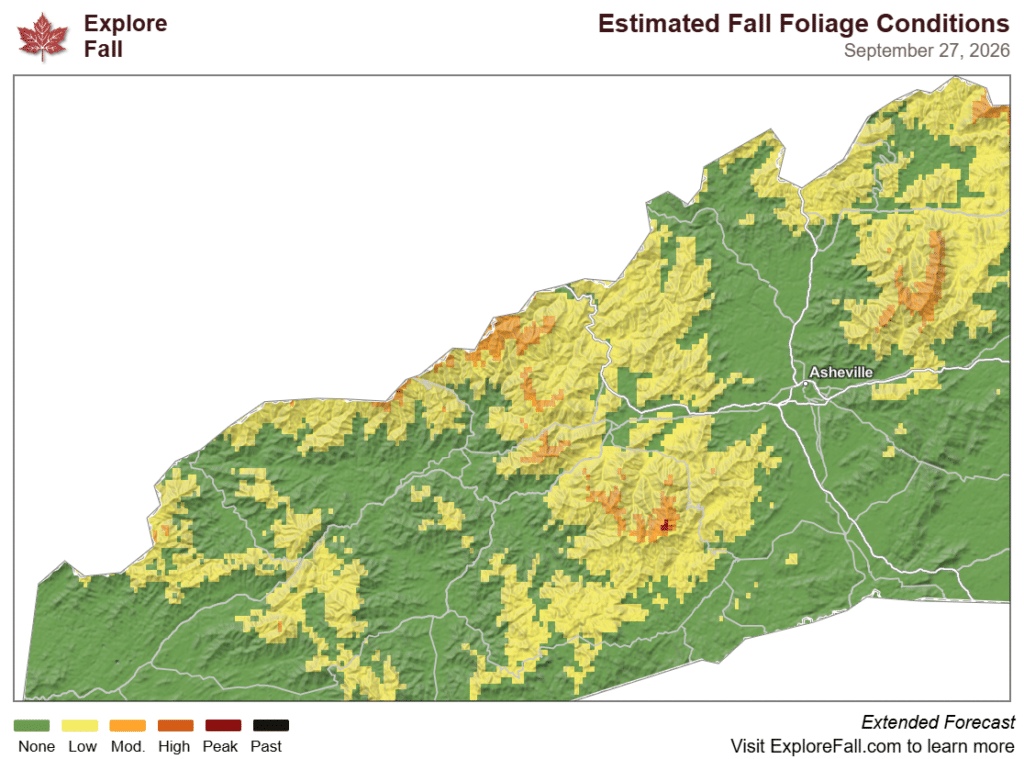
Week of September 27: The First Signs of Fall
Best elevations for color: 5,000+ feet
Late September is just the beginning of leaf season across Western North Carolina. Most valleys and lower mountains will remain green, but signs of autumn should begin appearing across the region’s highest elevations.
Where to go and what to do:Head for the high country to find the season’s earliest color. Waterrock Knob on the Blue Ridge Parkway offers sweeping views from more than 6,000 feet, while high-elevation trails in the Great Smoky Mountains National Park give hikers a chance to spot the first signs of fall. Black Balsam Knob is another great option for high-elevation views.
What you’ll likely see: Mostly green mountains with pockets of yellow and early orange concentrated along high ridges.
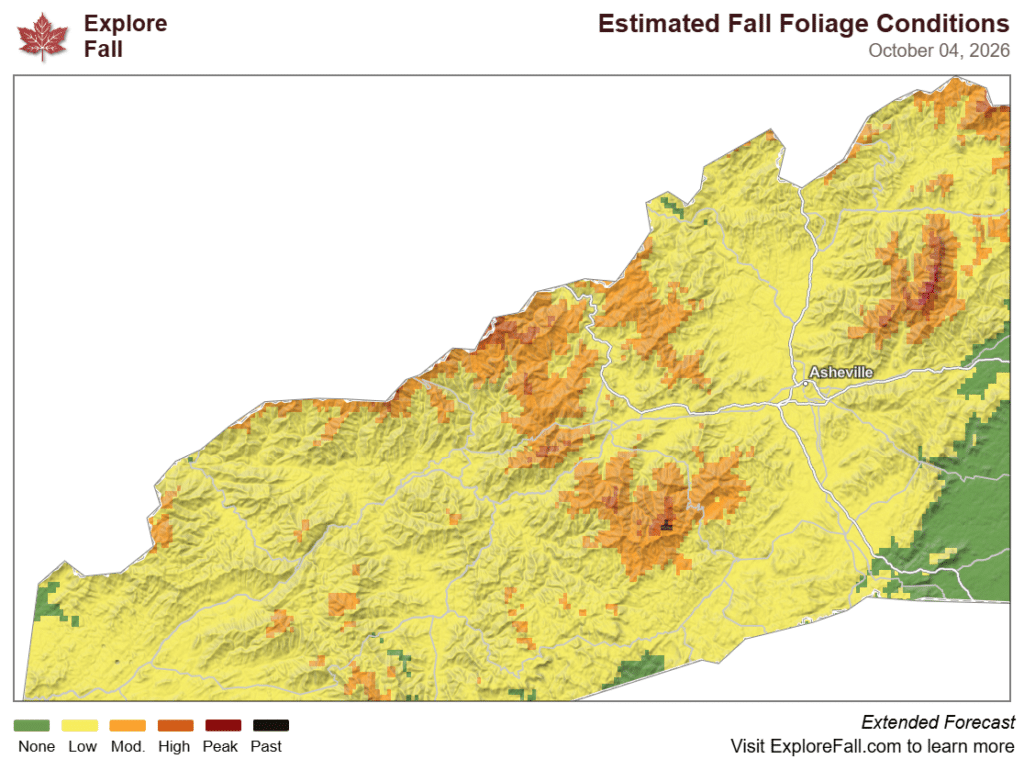
Week of October 4: Color Builds at Higher Elevations
Best elevations for color: 4,500–6,000+ feet
By the first week of October, changing leaves should become much more noticeable across Western North Carolina, particularly along high ridges and mountaintops.
Where to go and what to do: Make this a hiking and scenic-drive weekend. Explore the Andrew’s Bald Trail in Great Smoky Mountains National Park, head to Graveyard Fields, Sam’s Knob, and Devil’s Courthouse along the Blue Ridge Parkway to follow the developing color. Read our recent blog post sharing the best autumn drives in Western North Carolina for more recommendations.
What you’ll likely see: Developing color at high elevations with plenty of green remaining across the valleys.
Week of October 11: Fall Color Spreads Across the Mountains
Best elevations for color: 3,500–5,000 feet
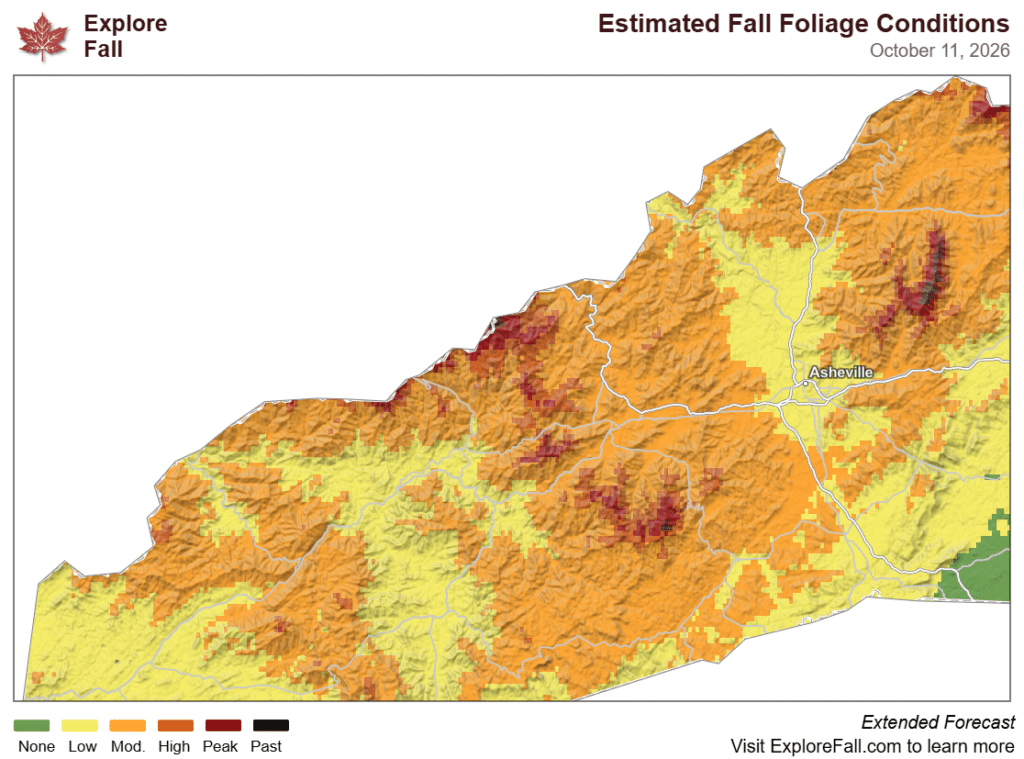
By the second week of October, color should be spreading across a much larger portion of the Western North Carolina mountains and peaking at higher elevations.
Where to go and what to do: This is a great time to explore trails with significant elevation gain to experience multiple stages of color. Try the Alum Cave Trail to Mount LeConte in the Great Smoky Mountains National Park. You can also start looking beyond the highest peaks: hit the trails in Nantahala National Forest or head to NOC for a Mountaintop Zip Line adventure with views across the surrounding mountains.
Read our Smoky Mountain Fall Bucket List for more national park activity ideas.
What you’ll likely see: Significant color across higher and mid-elevations with lower valleys beginning to change. Color beginning to peak in highest elevation areas.
Week of October 18: Prime Fall Color Across Western North Carolina
Best elevations for color: 2,500–4,500 feet
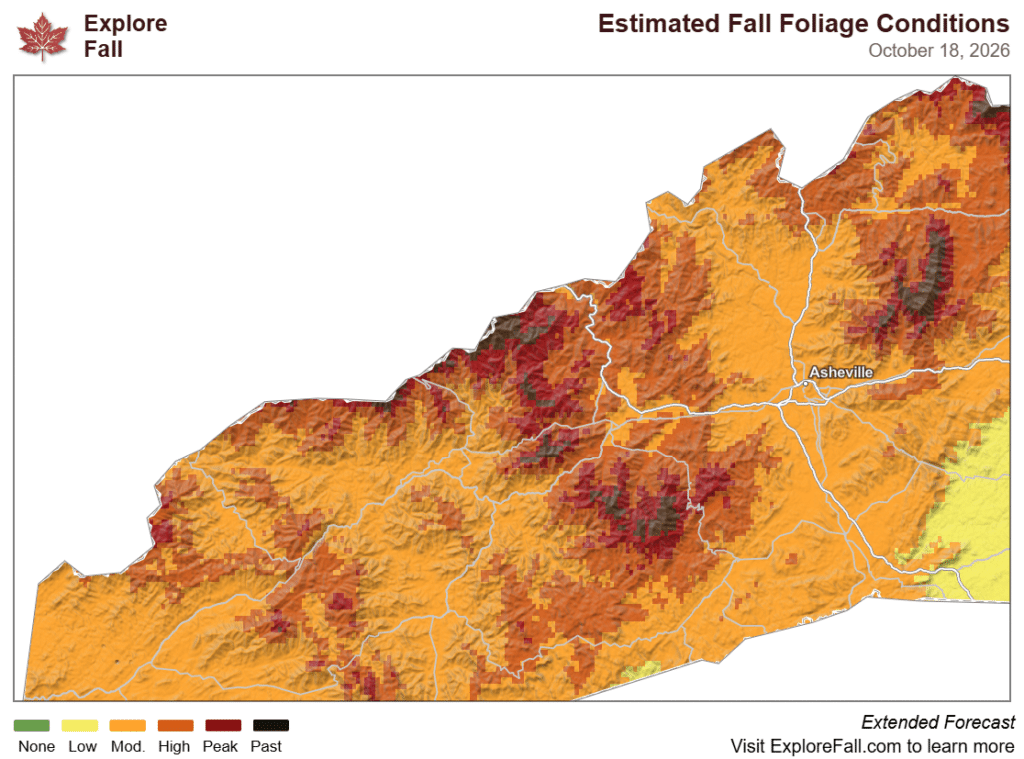
Mid-October brings color into many of the elevations surrounding Bryson City, Cherokee, Asheville and the Nantahala Gorge.
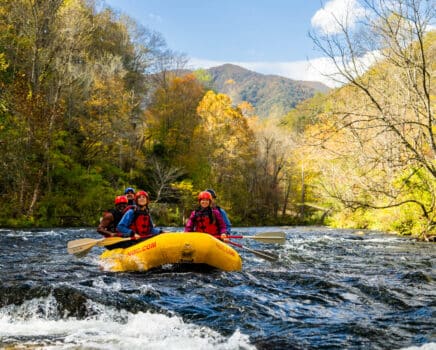
Where to go and what to do: Experience fall in all its stages at multiple elevations. Raft the Nantahala River, hike a section of the Appalachian Trail (try NOC to Wesser Bald Fire Tower), or mountain bike the Flint Ridge Trails. Nearby, explore Bryson City, drive into Great Smoky Mountains National Park or head toward Fontana Lake for another view of the changing mountains.
Around Asheville, this is also a good time to explore Pisgah National Forest or head out on a French Broad River rafting trip.
What you’ll likely see: Widespread gold, orange and red across many mid-elevation mountains with strong color beginning to reach the valleys. Color peaking at mid-elevations.
Week of October 25: Peak Color Moves Into Mountain Valleys
Best elevations for color: 2,000–3,500 feet
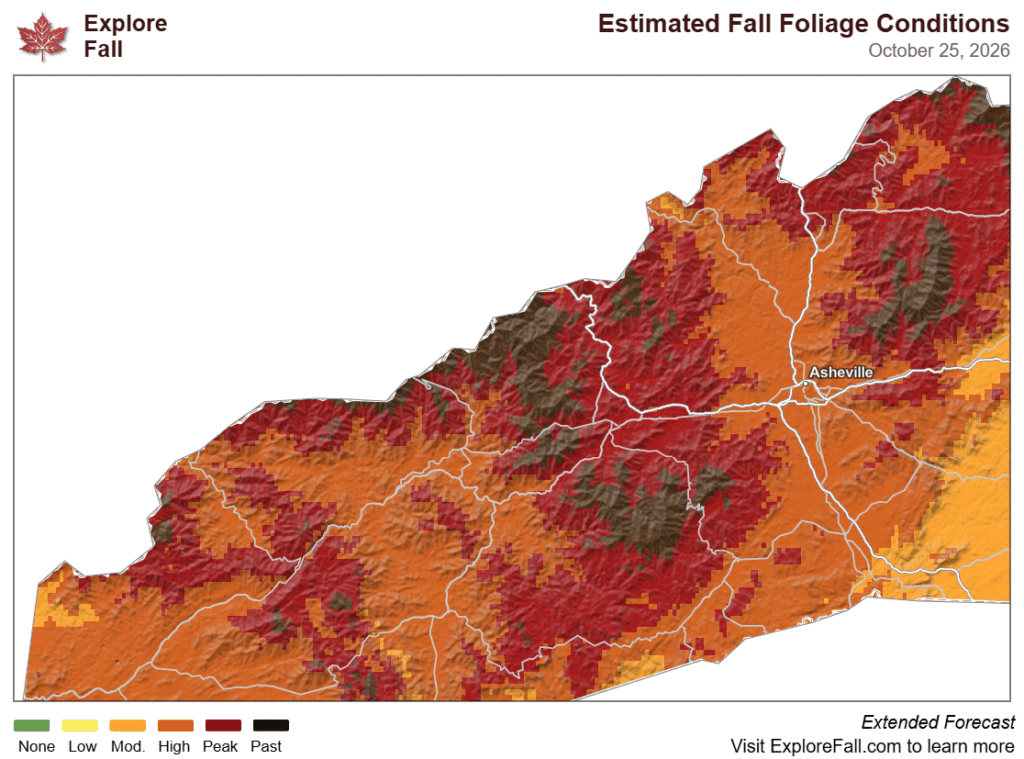
By late October, attention shifts away from the highest peaks and toward Western North Carolina’s lower mountains, river valleys and towns.
Where to go and what to do: Explore lower-elevation trails in the Smokies in areas like Deep Creek or ride the Great Smoky Mountains Railroad. Spend the day exploring Bryson City and the Nantahala Gorge, where you can pair leaf peeping with rafting, hiking, or mountain biking.
In Asheville, visit the North Carolina Arboretum, explore Biltmore, walk along the French Broad River or venture into nearby Pisgah National Forest to hike or raft. Check out our Asheville Autumn itinerary for more fall trip ideas.
What you’ll likely see: Strong color throughout lower mountains and valleys while many of the highest elevations move past peak.
Week of November 1: Catch the Last Fall Colors
Best elevations for color: Below approximately 2,500 feet
By early November, higher elevations will generally be past peak, but leaf season isn’t necessarily over.
Where to go and what to do: Stay low and follow the river valleys. Explore Sylva or Dillsboro, take a late-season walk or hike around the Nantahala Gorge, or head toward lower-elevation areas around Asheville and the French Broad River. It’s a great time to explore mountain towns after the busiest October weekends have passed.
What you’ll likely see: Past-peak conditions at higher elevations with lingering reds and late-season color in lower valleys.
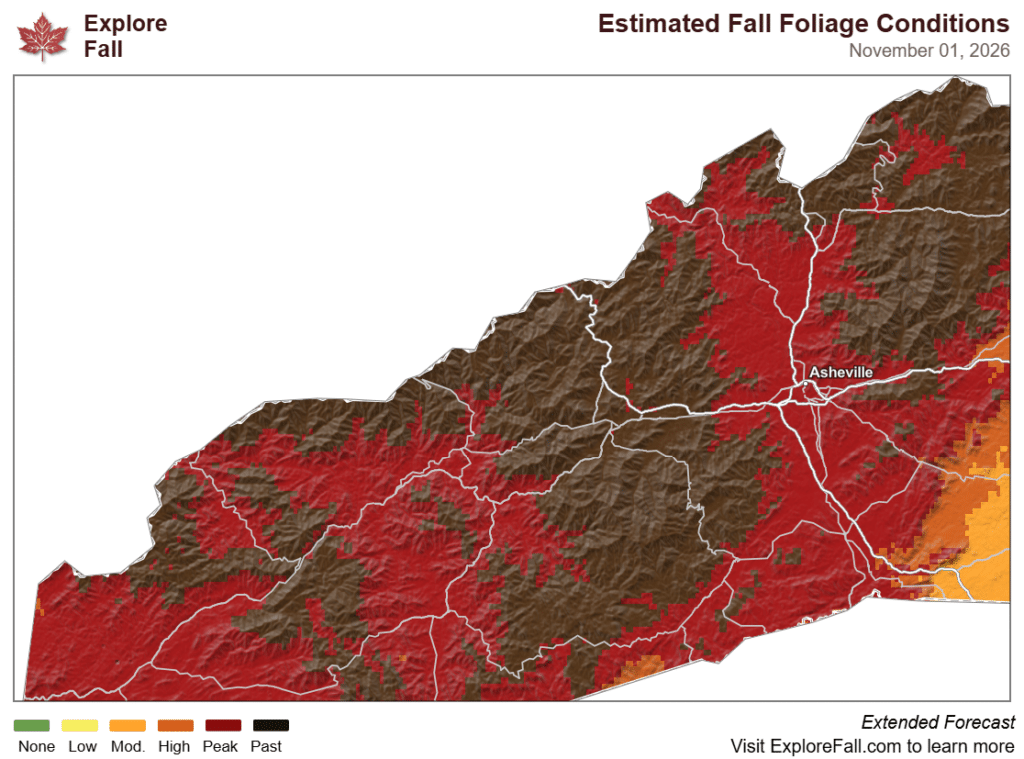
Cheat Sheet for Color Changes by Elevation
| Elevation | Color Window | Where to Look |
|---|---|---|
| 5,000–6,000+ ft. | Late September–early October | High Smokies elevations, Waterrock Knob, high Blue Ridge Parkway overlooks |
| 4,000–5,000 ft. | Early–mid October | Blue Ridge Parkway, higher Smokies trails, high Pisgah ridges |
| 3,000–4,000 ft. | Mid October | Mountain ridges surrounding Bryson City, Cherokee and Nantahala National Forest |
| 2,000–3,000 ft. | Mid–late October | Nantahala Gorge, Bryson City, Asheville and surrounding mountain valleys |
| Below 2,000 ft. | Late October–early November | Lower river valleys and foothills |
How to Plan a Western North Carolina Leaf-Peeping Trip
Don’t build your entire trip around one predicted peak date; instead, give yourself the flexibility to explore different elevations. A multi-day trip makes this even easier.
From the Nantahala Gorge, for example, you can spend one day exploring higher elevations in the Great Smoky Mountains and another rafting, hiking or ziplining closer to the river. If the foliage isn’t quite where you expected it to be, you’re within reach of a completely different elevation and landscape.
Before heading out each morning, check current weather, road closures and recent foliage reports. Fall forecasts are helpful for planning ahead, but current conditions should ultimately determine where you go.

Find Your View of Fall
Make NOC part of your Western North Carolina fall trip and experience the changing mountains your way. Raft the Nantahala, take in the view from our Mountaintop Zip Line, explore fall events, and settle in for a few days in the mountains with our Fall Stay and Play package while the season unfolds around you.
Need more inspiration or local tips? Our reservationists are happy to help! Call 800-232-7238 to start planning your adventure.
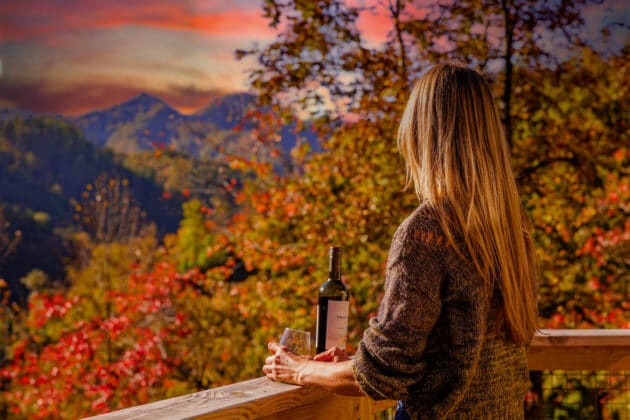
NOC Fall Stay & Play Offer
Bundle your rafting trip or adventure activity with 2+ nights in NOC’s lodging and save 20% on your entire fall mountain getaway.
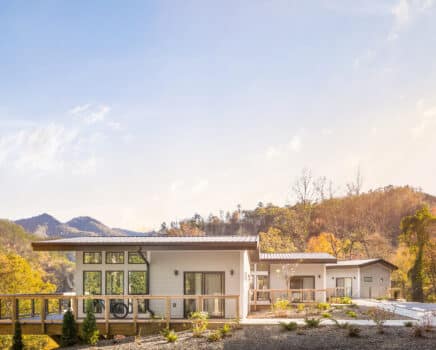
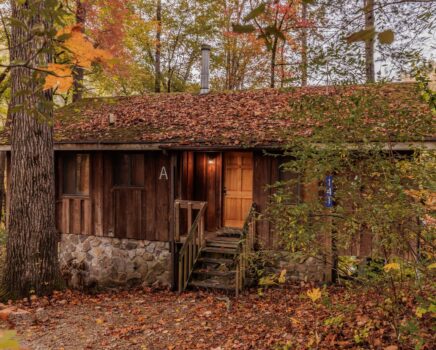
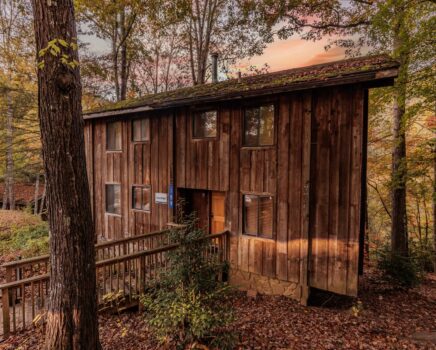
Spend your days surrounded by crisp mountain air and outdoor adventure, then settle into a mountainside bungalow or cozy cabin on our 500-acre adventure resort.